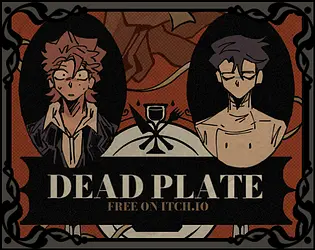
Dead Plate
Launching Dead Plate
Preparing the browser build...
Dead Plate










Play Dead Plate Online
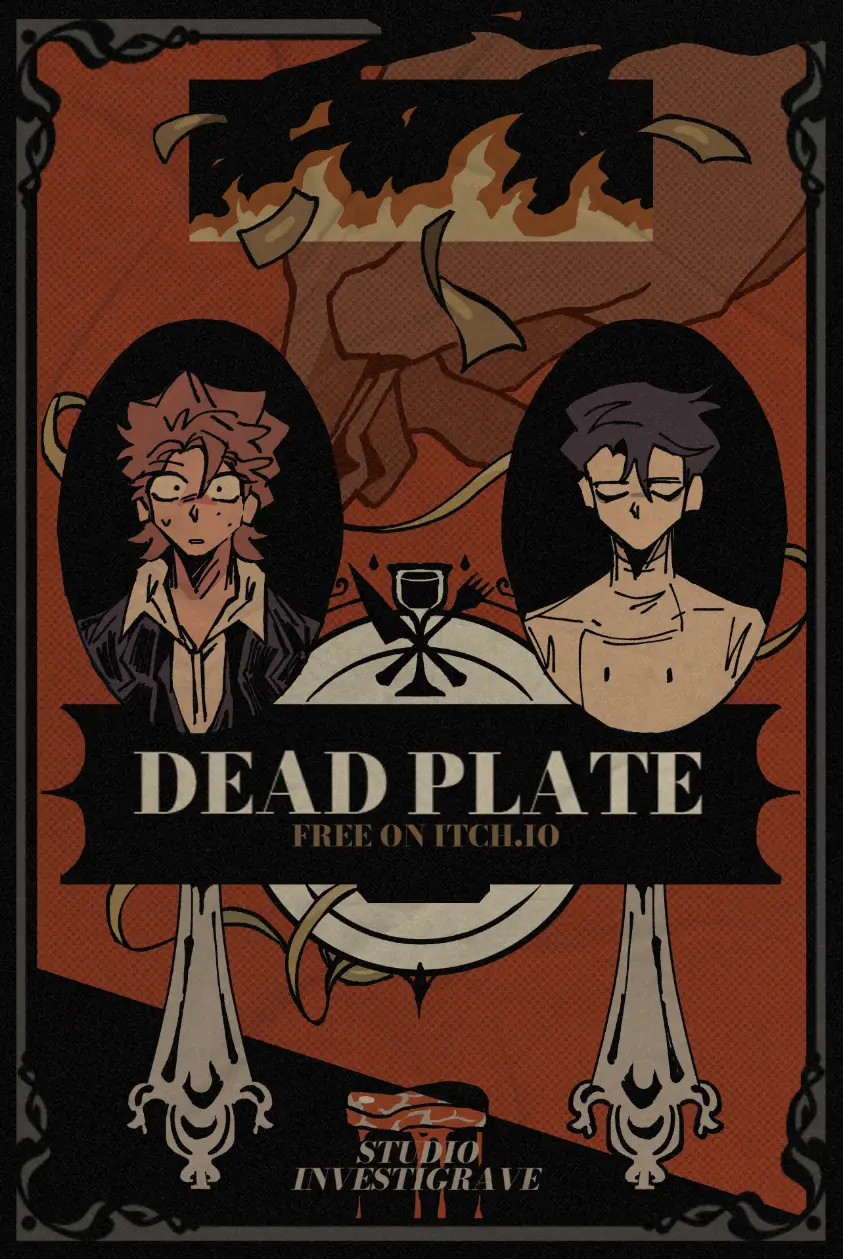
Dead Plate turns an elegant dinner service into a compact horror story about work, money, appetite, and attention. You play as Rody, a lively waiter trying to earn as much as he can during one stressful week at a polished bistro in 1960s France. The restaurant is run by Vince, a chef whose charm makes the room feel expensive before it starts to feel dangerous. On this page, Dead Plate is playable through the browser frame above, so you can start the shift without digging through extra menus.
The hook of Dead Plate is the way it blends normal restaurant pressure with a story that keeps souring under the surface. One moment you are serving guests, watching tables, and racing for tips. The next moment Dead Plate pulls you into visual novel dialogue, suspicious pauses, and little details that make the bistro feel less like a workplace and more like a trap with tablecloths.
What Dead Plate Is About
Dead Plate follows Rody as he takes a temporary waiter job that should be simple: work hard, collect money, and get through the week. The job becomes stranger because Vince is not just another boss in a fancy kitchen. He is confident, controlled, and difficult to read, which gives Dead Plate its uneasy rhythm. The story rarely needs to shout. A small line of dialogue, a look, or a quiet room can make the player wonder what is really being prepared.
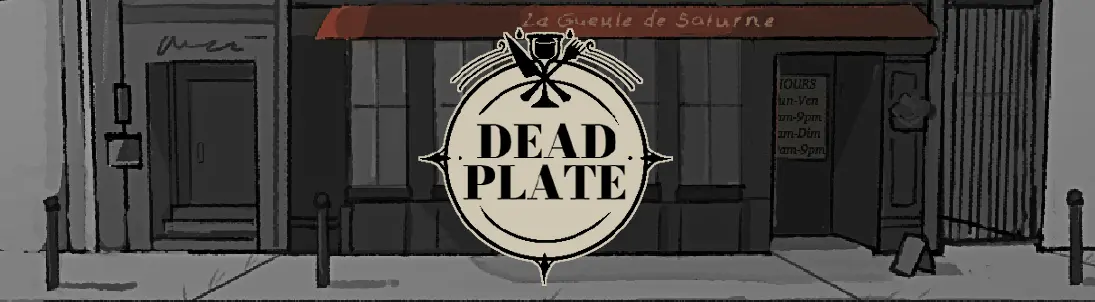
The 1960s French bistro setting gives Dead Plate a sharp identity. The restaurant looks stylish, but the work is physical and unforgiving. You have to move fast enough to keep customers happy while also paying attention to the characters around you. That contrast matters: Dead Plate is not only about horror imagery. It is about the tension between service, performance, hunger, and the cost of chasing money in a place where the menu may not be the worst thing.
Restaurant Shifts and RPG Horror
During service, Dead Plate plays like a restaurant management challenge with RPG-style movement. You guide Rody around the dining room, interact with tables, serve customers, and try to keep the shift from falling apart. It is easy to understand the goal, but Dead Plate makes the pressure rise because every second can affect your earnings and every mistake can make the day feel heavier.
The horror side of Dead Plate works because the busy shifts do not cancel the story. They make it sharper. When you are rushing between tables, it is harder to sit with every suspicious line. When dialogue returns, the calm feels uncomfortable because you remember how frantic the bistro became. Dead Plate uses that switch between action and reading to keep players alert instead of letting the horror live only in cutscenes.
How to Play Dead Plate
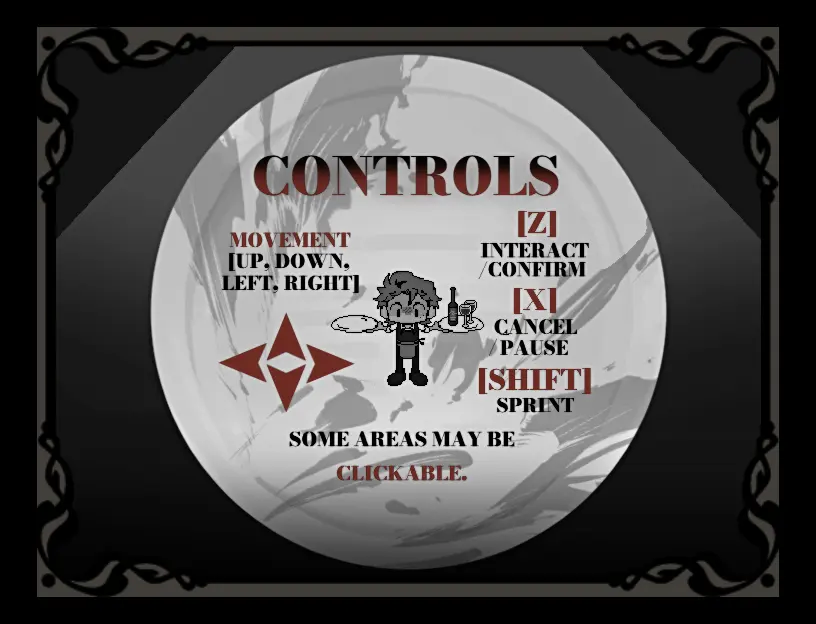
Start Dead Plate by pressing Play in the embedded player. Once the game frame loads, click inside it so the browser gives the game keyboard focus. Move carefully, face the object or table you want to use, and confirm with the interaction key. In many scenes, Dead Plate expects directional input before interaction, so if an object does not respond, reposition Rody and press the direction toward the target before confirming again.
The best early habit in Dead Plate is to treat the bistro like a route you need to memorize. Notice where customers sit, where Rody can move cleanly, and which tasks take longer than expected. Rushing blindly usually costs more time than it saves. Dead Plate rewards players who can move quickly after a plan is already in place: check the table, face the right direction, act, and move before the shift snowballs.
Rody, Vince, and the Bistro Mood
Rody gives Dead Plate its nervous energy. He is not a silent player token; his personality makes the job feel personal. He wants money, he wants the week to mean something, and he brings a brightness that can make the darker scenes land harder. Dead Plate uses that contrast well because Rody’s liveliness keeps the bistro from becoming gloomy too early.
Vince gives Dead Plate its colder pull. He is successful, composed, and charismatic in a way that can feel inviting or threatening depending on the scene. The relationship between waiter and chef is not just background flavor. It shapes how the player reads the restaurant, the dialogue, and the growing discomfort. Dead Plate is at its best when you are not sure whether a conversation is ordinary, intimate, manipulative, or the first sign that something has already gone wrong.
Endings, Secrets, and Replay Value
Dead Plate is short enough to finish without turning into a long campaign, but it is built for replaying. The game has four endings, and the route you reach depends on how well you manage the week and how carefully you follow the story’s signals. A first run of Dead Plate can be treated as a spoiler-light introduction: learn the work rhythm, understand the characters, and let the ending point you toward what to try next.
Replay value in Dead Plate comes from small differences as much as major outcomes. Dialogue changes, hidden details, and different ending paths make a second run feel less like repeating chores and more like reading the bistro with better eyes. If you want all endings, take notes on what seemed unusual, what conversations felt loaded, and where Dead Plate gave you a choice that looked harmless at the time.
Content Warning
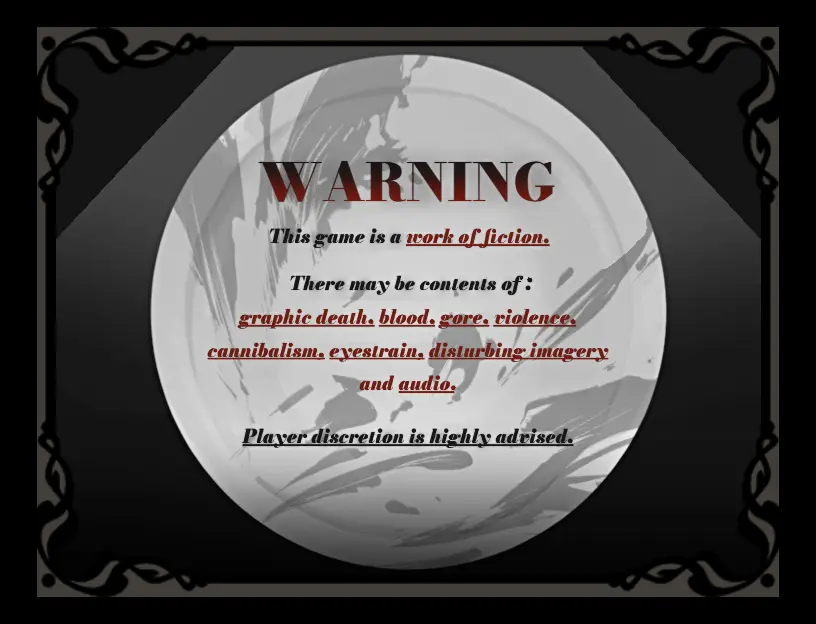
Dead Plate is a mature horror game, not a cozy restaurant sim. Players should expect graphic death, blood, gore, violence, cannibalism, eyestrain, disturbing imagery, and unsettling audio. If those topics are not right for you, skip Dead Plate or watch a short preview before launching the game. The bistro style can look elegant, but the story is designed to become uncomfortable.
This page keeps the main description of Dead Plate spoiler-light, especially around late-game scenes and endings. The screenshots and videos may still show tense imagery, so browse carefully if you want to experience the story with as few hints as possible. For the best first run, play Dead Plate before reading deep comments, ending discussions, or full route explanations.
Browser and Mobile Notes
Dead Plate should be most comfortable on a desktop or laptop browser because the game relies on keyboard focus, precise movement, and interaction timing. Some mobile browsers may open the page, but touch controls, iframe focus, and screen size can make Dead Plate harder to read and harder to control. If you want a fair first run, use a keyboard and play in a modern browser.
If Dead Plate loads to a black frame, wait a few seconds, click the player, and refresh once if nothing changes. Browser extensions that block scripts, third-party frames, storage, or audio can also interfere. If input seems broken inside Dead Plate, click inside the frame again, check that Rody is facing the object, and try the direction-plus-confirm approach before assuming the scene is stuck.
Why Dead Plate Stands Out
The strongest part of Dead Plate is how specific it feels. Many horror games use restaurants as a background, but Dead Plate makes service work part of the fear. Customers, tips, movement, timing, and kitchen authority all matter. The job is not just decoration; it is the machine that keeps Rody close to Vince and keeps the player moving when they would rather stop and think.
That design gives Dead Plate a memorable flavor: stylish, stressful, character-driven, and quietly cruel. It can feel like a time-management game, a visual novel, and an RPG horror story without losing its center. If you want a short game with a strong setting, several endings, and a mood that gets worse the more you understand it, Dead Plate is worth playing from the first shift through the last plate.
Unofficial Browser Page
This Dead Plate page is an unofficial browser-play page created for convenient access, screenshots, videos, practical loading help, and spoiler-light context. It is not presented as the official developer website, and it does not replace the original game project or any creator-owned channels. The goal is simple: make Dead Plate easy to launch, explain what kind of horror experience it is, and help players understand common control and loading issues before the first shift begins.
Dead Plate Screenshots
Dead Plate Videos
Dead Plate FAQ
What is Dead Plate?
Dead Plate is a short 2D RPG horror game set around a 1960s French bistro. You play as Rody, a waiter trying to earn money while the restaurant story turns darker.
Can I play Dead Plate online here?
Yes. Press Play now to launch Dead Plate through the embedded browser player on this page.
How does Dead Plate play?
Dead Plate mixes restaurant time management, RPG-style movement, visual novel dialogue, and point-and-click interaction. Read scenes closely, serve quickly, and use the interaction key while facing the right direction.
How many endings are in Dead Plate?
Dead Plate has four endings, with extra dialogue and hidden details that make replaying useful after a first clear.
Is Dead Plate safe for all players?
No. Dead Plate includes mature horror material such as graphic death, blood, gore, violence, cannibalism, eyestrain, disturbing imagery, and unsettling audio.
What should I do if Dead Plate does not respond?
Click inside the player, make sure the character is facing the object, press a direction before confirming with Z, and refresh the page if the browser frame stays black or frozen.